1980s
Bedroom coding
ZX Spectrum games and graphics, plus a home-built wind controller and custom Atari sound software.
Overscan is the studio of artist and VJ Michael Overscan.
I’ve been making things with computers, images, electronics and assorted bits of hardware since the 1980s. Graphic design came next, followed by live visuals in 1994, then custom software, networked visual systems, LEDs and, eventually, large dancing robots.
The technology keeps changing. The impulse to make strange things happen with it hasn’t changed very much at all.
A CONTINUOUS HISTORY
The tools change, but each stage grows directly from the one before it.
1980s
1990s
2000s
2010s
2020s
BEDROOM CODING→LIVE VISUALS→BROADCAST WORK→CUSTOM SOFTWARE→PHYSICAL MACHINES
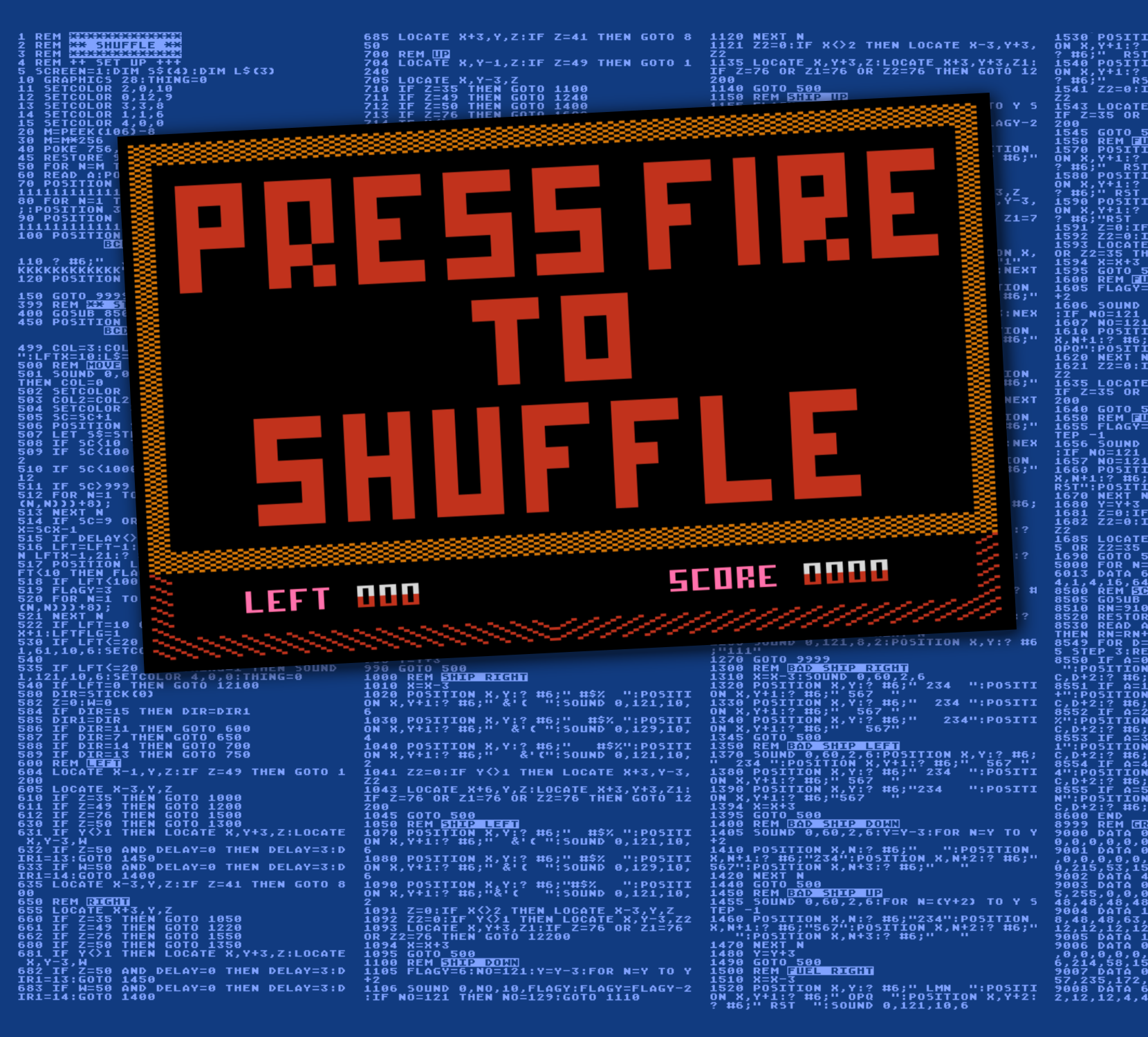
It started with a ZX Spectrum. I wrote games and experimented with 8-bit graphics, learning by making things and seeing what happened.
There were hardware experiments too, including a home-built wind controller connected to an Atari 800XL, with software I wrote generating the sound. Computers felt less like finished appliances and more like boxes full of possibilities.
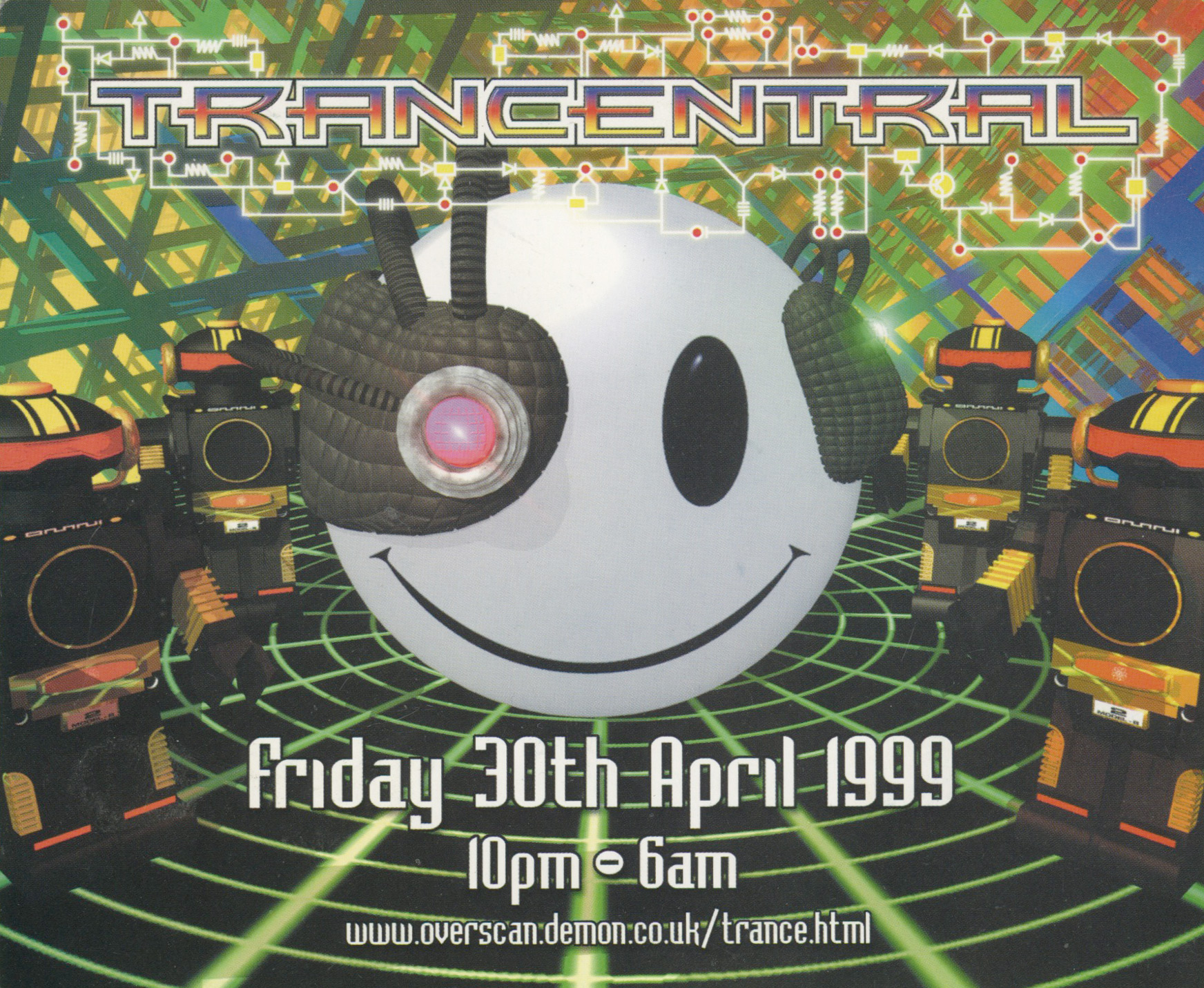
The early 1990s were initially about graphic design. As part of my day job I was creating fliers and other printed material for club nights and events.
In 1994 I started doing live visuals with my good friend Paul Overscan. For the rest of the 1990s we worked together as Overscan, building multi-layered setups around Commodore Amigas, genlocks, vision mixers, video tape and cameras.
The graphic work came first, so initially the visual language of the fliers influenced what appeared on screen. As the live work developed, imagery created for the visuals began finding its way back onto the fliers.
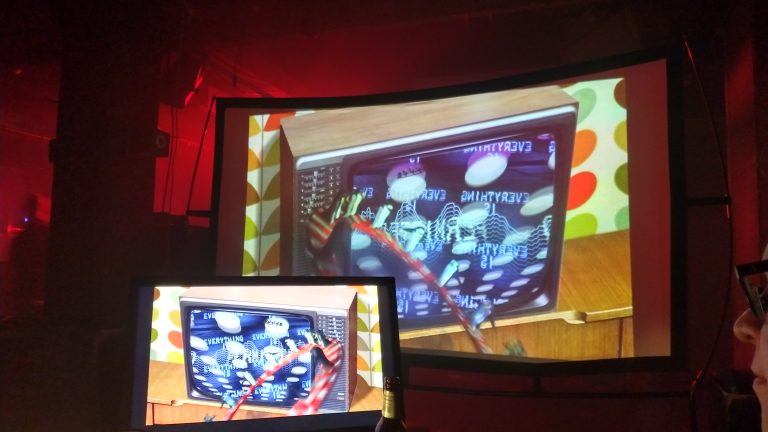
By the 2000s the setup had become increasingly PC-based. Computers replaced much of the dedicated video hardware while opening up new ways of creating, processing and manipulating images.
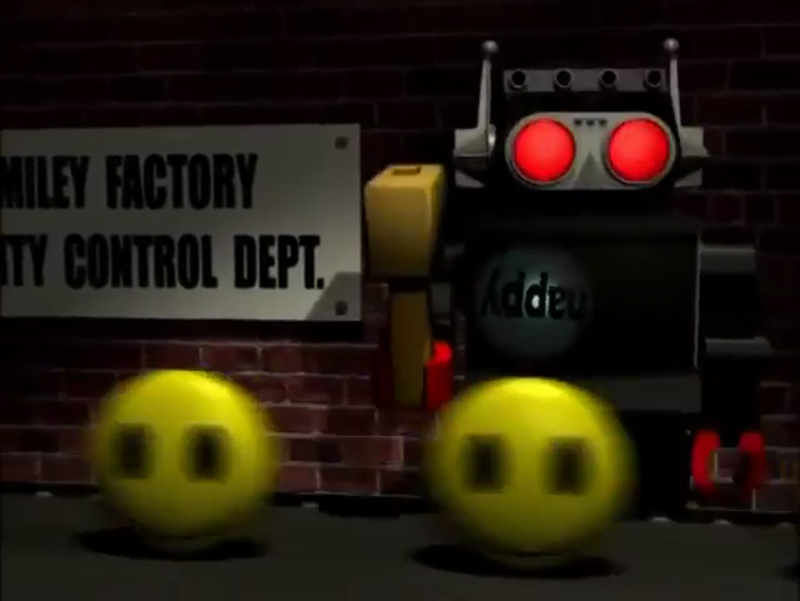
During this period I created three pieces for Addictive TV and their ITV series Mixmasters. Live visual work and experimentation continued alongside the broadcast and commissioned work.
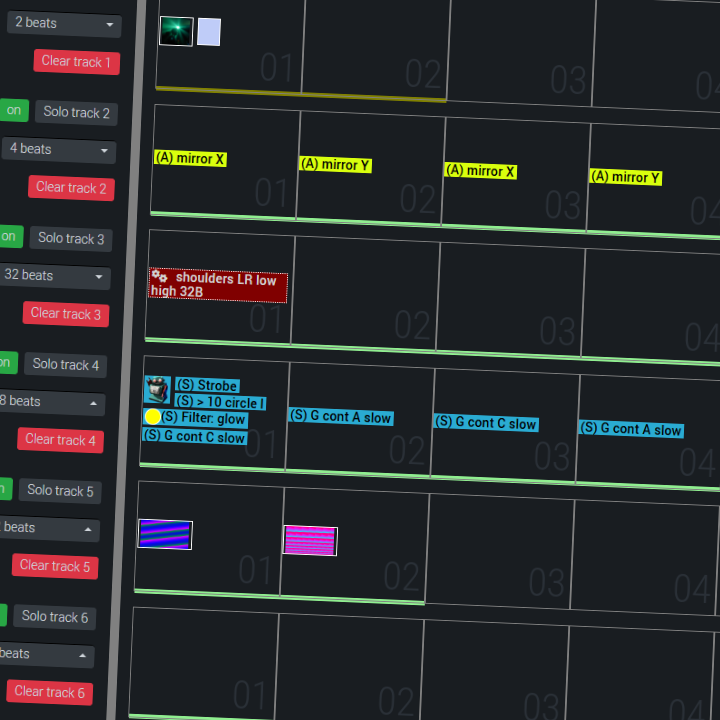
The original idea for my VJ software was to recreate the multi-layered 1990s setup: multiple computers, genlocks and vision mixers, but all contained inside a web browser.
I built the first version in JavaScript using Phaser.io. Once it started working, I realised that recreating the old hardware setup was only the beginning. New layers, effects, routing and controls could be added without building another piece of hardware.
What began as an attempt to reproduce the old rig gradually grew into something far beyond it.
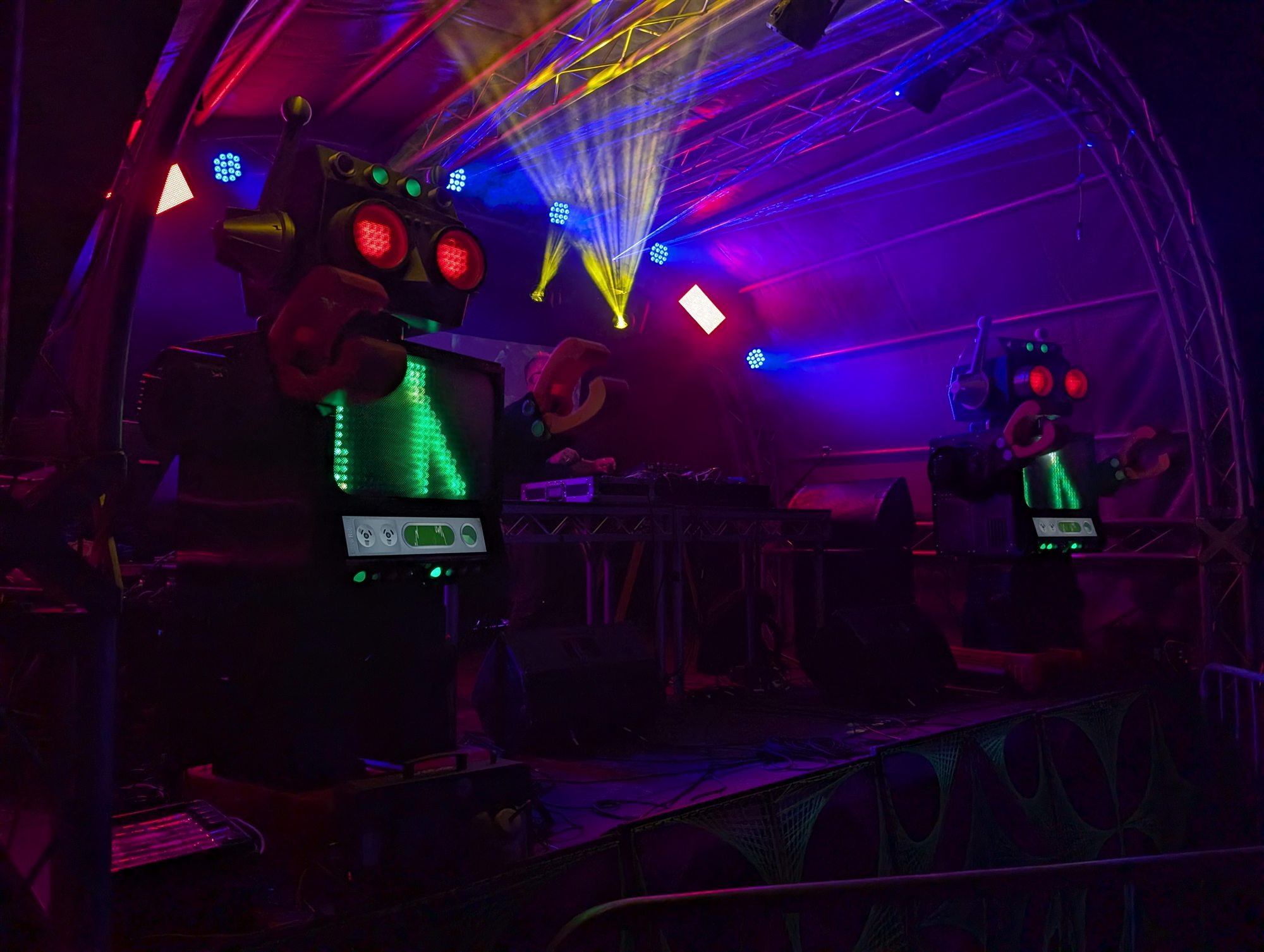
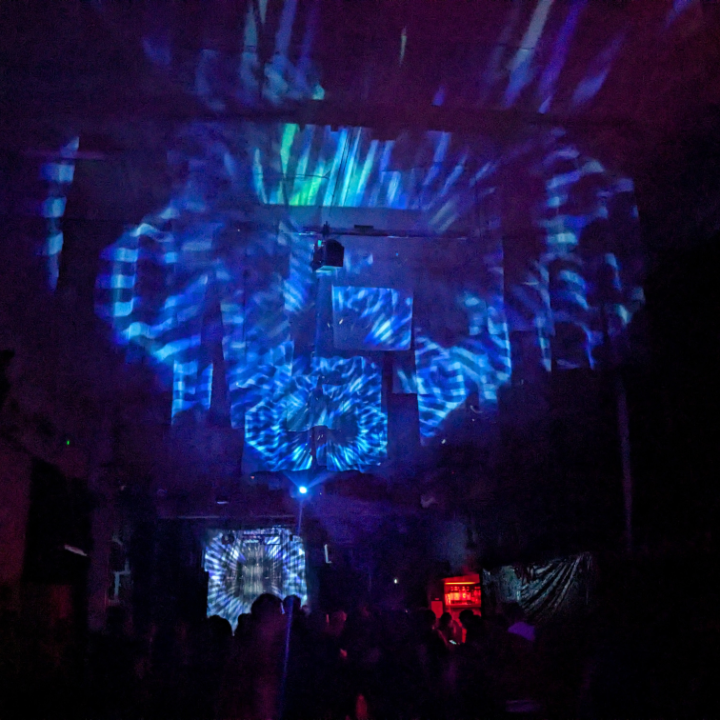
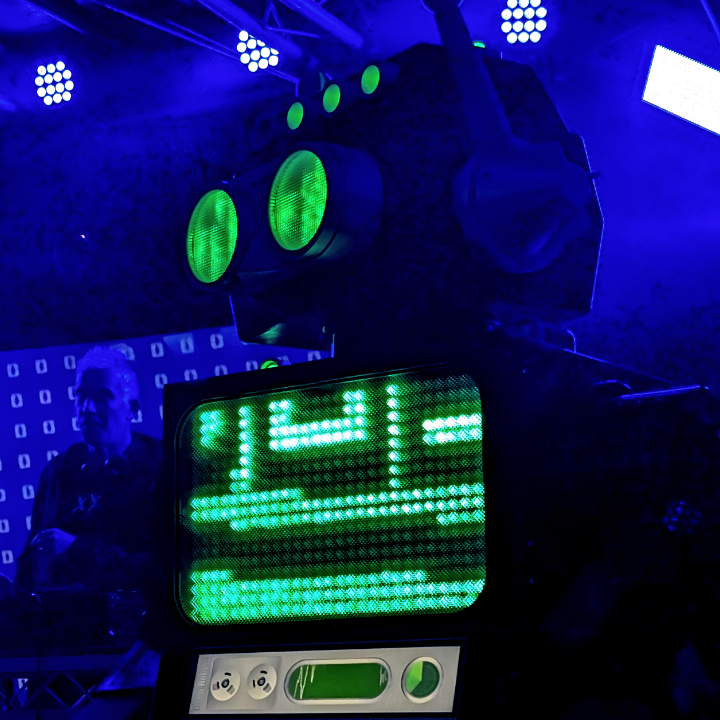
Software started escaping from the screen. LED systems, physical controllers, networking, fabrication and electronics eventually led to the Disco Robots: two six-foot robotic performance machines combining movement, lighting, visuals and custom control software.
The robots bring together coding, live performance, electronics, visual systems and physical objects. They also introduced plenty of entirely new problems to solve, which is half the fun.
OLD AND NEW
Although the equipment has changed enormously, I don’t see the older work as something separate from what I make now.
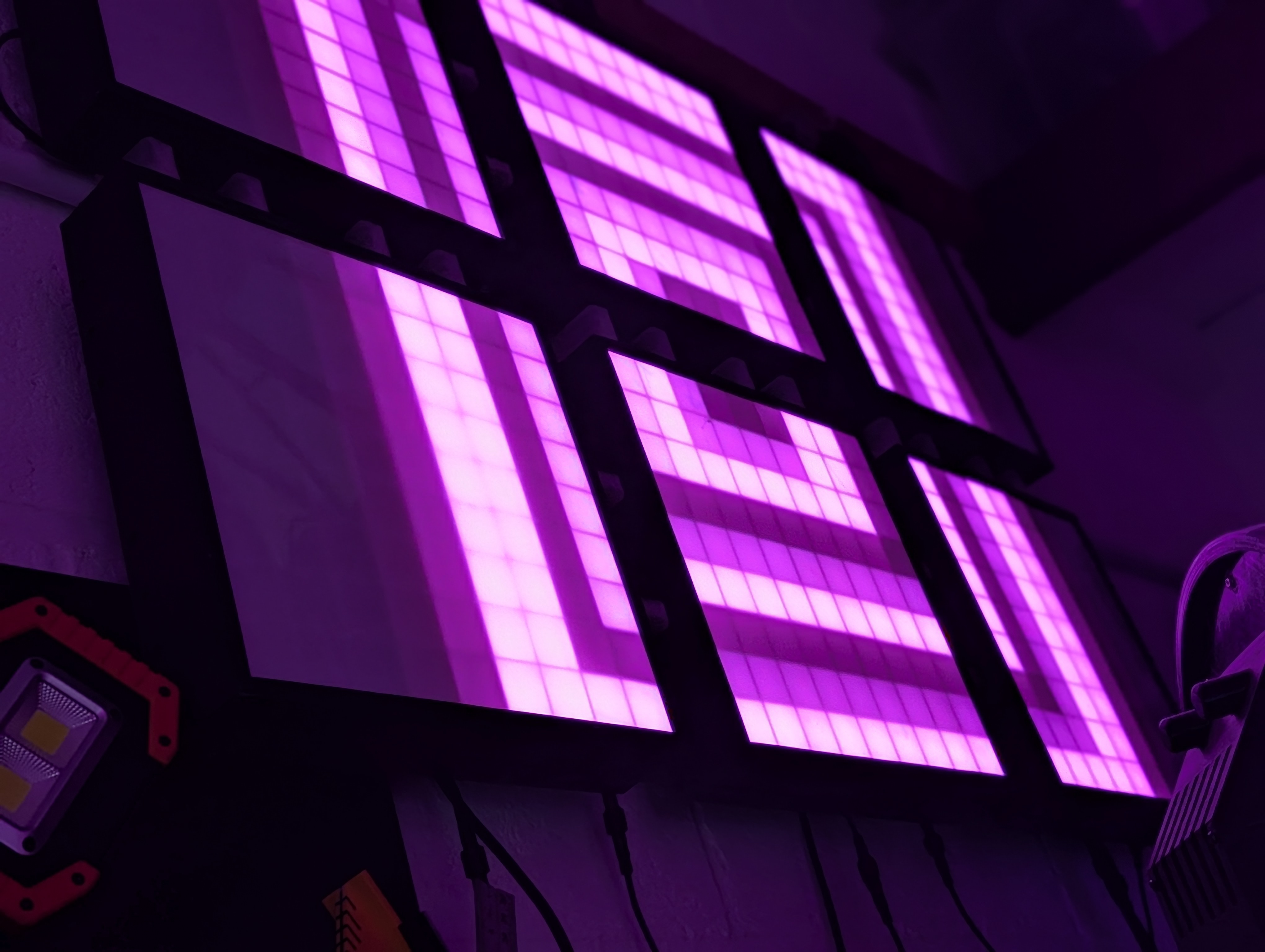
Archive graphics and video can appear alongside newly coded effects and 3D scenes. Custom software can control MadMapper; MadMapper can control LED objects; those objects can share a network with robots.
The early systems were built from separate pieces of physical hardware. I then tried to reproduce that complexity inside software. Now the software is reaching back into the physical world, controlling lights, objects and machines.
It’s about continually adding possibilities.DIFFERENT EQUIPMENT / SAME ATTRACTION
In the 1990s a live setup might involve Amigas, genlocks, vision mixers, tape and piles of video hardware. Now it can involve custom software, networked controllers, projection, Art-Net, LED systems and robots.
The equipment is very different. The attraction is much the same: making images, light and machines behave in ways that are surprising, playful and alive.
TOOLS / SYSTEMS / OBJECTS
Most Overscan projects combine several disciplines rather than sitting comfortably inside one.
I’m less interested in which discipline something belongs to than whether it makes the thing I’m imagining possible.
One project frequently produces the tools, techniques or ideas that lead to the next one.
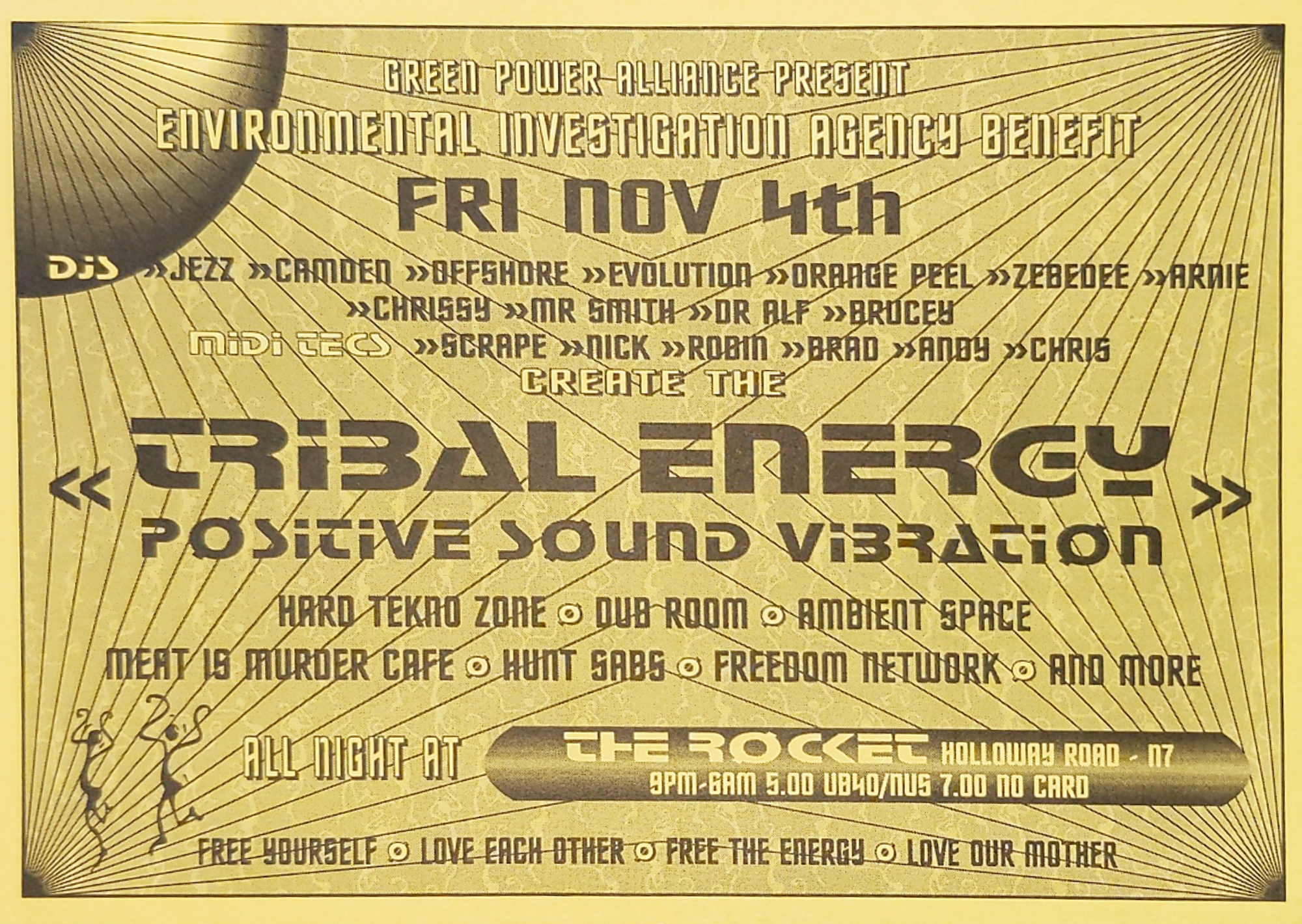
PRINT / VIDEO / FILES / FRAGMENTS
Overscan has an archive of printed and visual material stretching back to the early 1990s. The earliest fliers predate the live visual work. They began as part of my graphic design day job, with VJing following in 1994.
Once the live visuals began, the printed and moving work started to influence each other. At first the graphic language of the fliers fed into the visuals. Later, imagery developed for the visuals increasingly found its way back onto the printed material.
Older footage and graphics haven’t simply been put away. They can be mixed with new material and manipulated by new software. Some survives intact; some only as files, scans, tapes and fragments.
It isn’t intended to become a complete historical record. It’s simply what survived, and it remains available to become part of something new.
CONTINUE THROUGH THE WORK